The oldest digital photographs in my archive are dated September 2002. The camera reported its model to the file as, simply, CYBERSHOT — one of those early flat Sonys that felt like the future and, for its time, produced beautiful images. I used to love photographing streams, flowers, nature — anything that would hold still long enough. I was fourteen. To fund the next camera I had my eye on, I sold greeting cards at the local market.
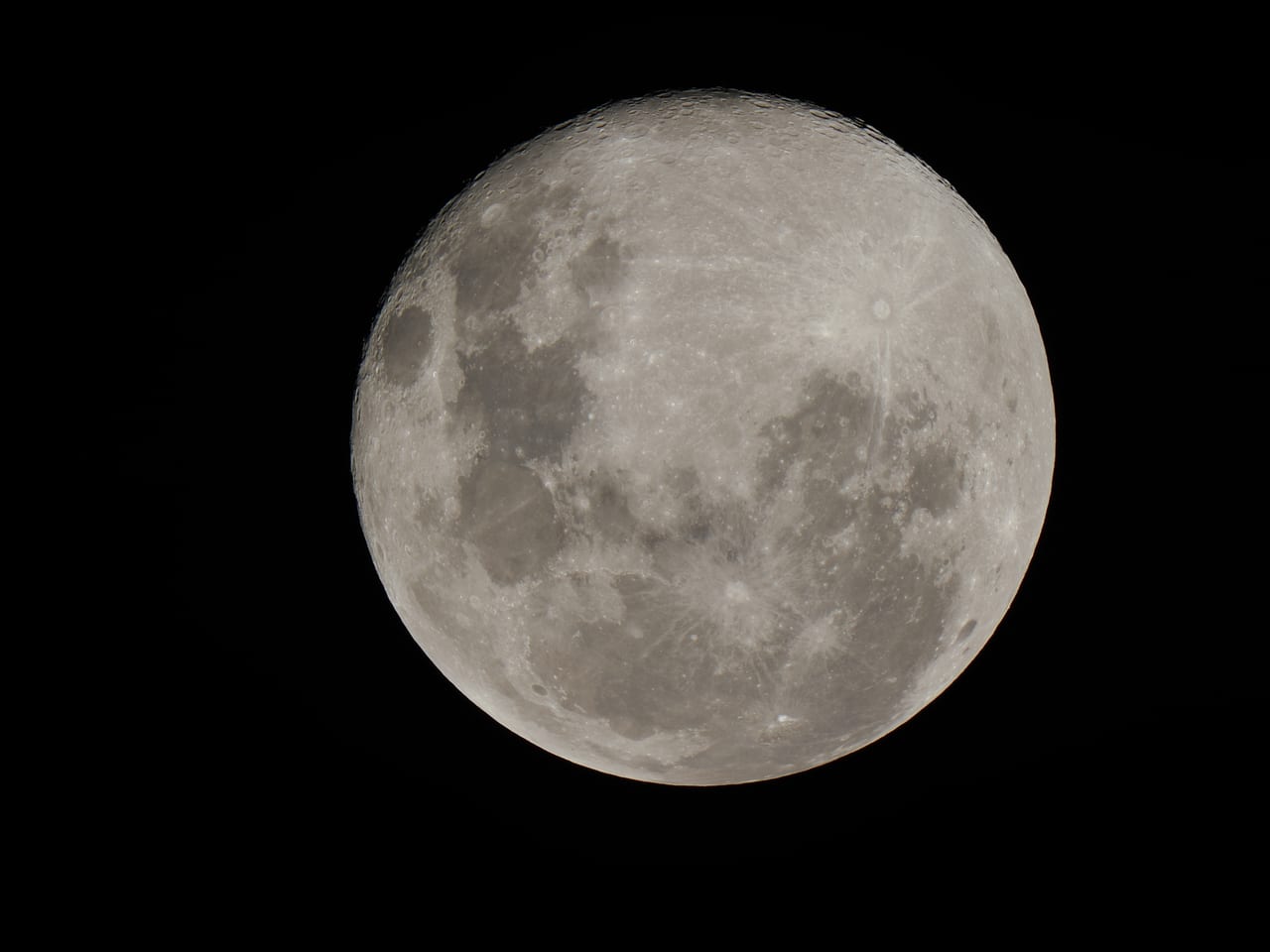
That next camera was a Sony F828 — the one with the odd twisting body and, for its day, a serious amount of capability. I got there eventually. I mostly remember pointing it up: long, patient exposures of the night sky, a fairly primitive kind of astrophotography, waiting to see what the sensor had caught that my eyes couldn't.
I didn't become a professional photographer. I became a software engineer. The two never quite stayed out of each other's way.
An accidental prototype
Years later I was living in Montreal — I'd met someone from there while travelling, and stayed, for her and for a city with more creative energy than I'd struck anywhere else. I was retraining as a web developer, and gave myself a first proper self-assignment: build something real, end to end. The app I chose to build was called Stockify. Its README describes it in one line: quickly tag and remove unwanted photos from a photo collection. Arrow keys to pick and reject. A grid to browse. Batch-remove the rejects.
My first act as a software developer was to build a culling app. It took me another decade to realise the dream.
Narrative
The hint got louder. I spent two years at Narrative, working on culling software used by professional photographers all over the world. I have a lot of respect for what that company did — James Broadbent, a wedding photographer who'd lived the problem himself, more or less created the AI-culling category with Narrative. Working there taught me how deep the problem runs for repeat-shoot photographers: culling isn't a niche annoyance. It's the tax on every wedding, every event, every session — thousands of frames sitting between the shoot and the art.
Full circle
A few years later, when it came time to work out what was next, I kept arriving at the same answer: I liked working on photography software too much to work on anything else. So I went back to the start — the kid with the Cyber-shot, the web developer with the arrow-key prototype — and set about building a culling tool I could only have dreamed of twenty years ago, with everything I'd learned in between. Once I started, I couldn't stop.
The standard
Cullibrate's promise is speed you can feel, and that sort of speed isn't a feature you add — it's a discipline you keep. Early on I spent two weeks running hundreds of experiments across thousands of images, measuring load times against what the hardware can theoretically do, and whittling at the gap. The first thing a friend said on trying it: "that loaded instantly." That's the golden stamp I was after.
That's the plan, stated plainly: take a career's worth of precision engineering and point it at photographic artistry — at the unglamorous, every-shoot work that sits between photographers and their best frames. The kid at the market stall would mostly want to know it loads fast. It does.