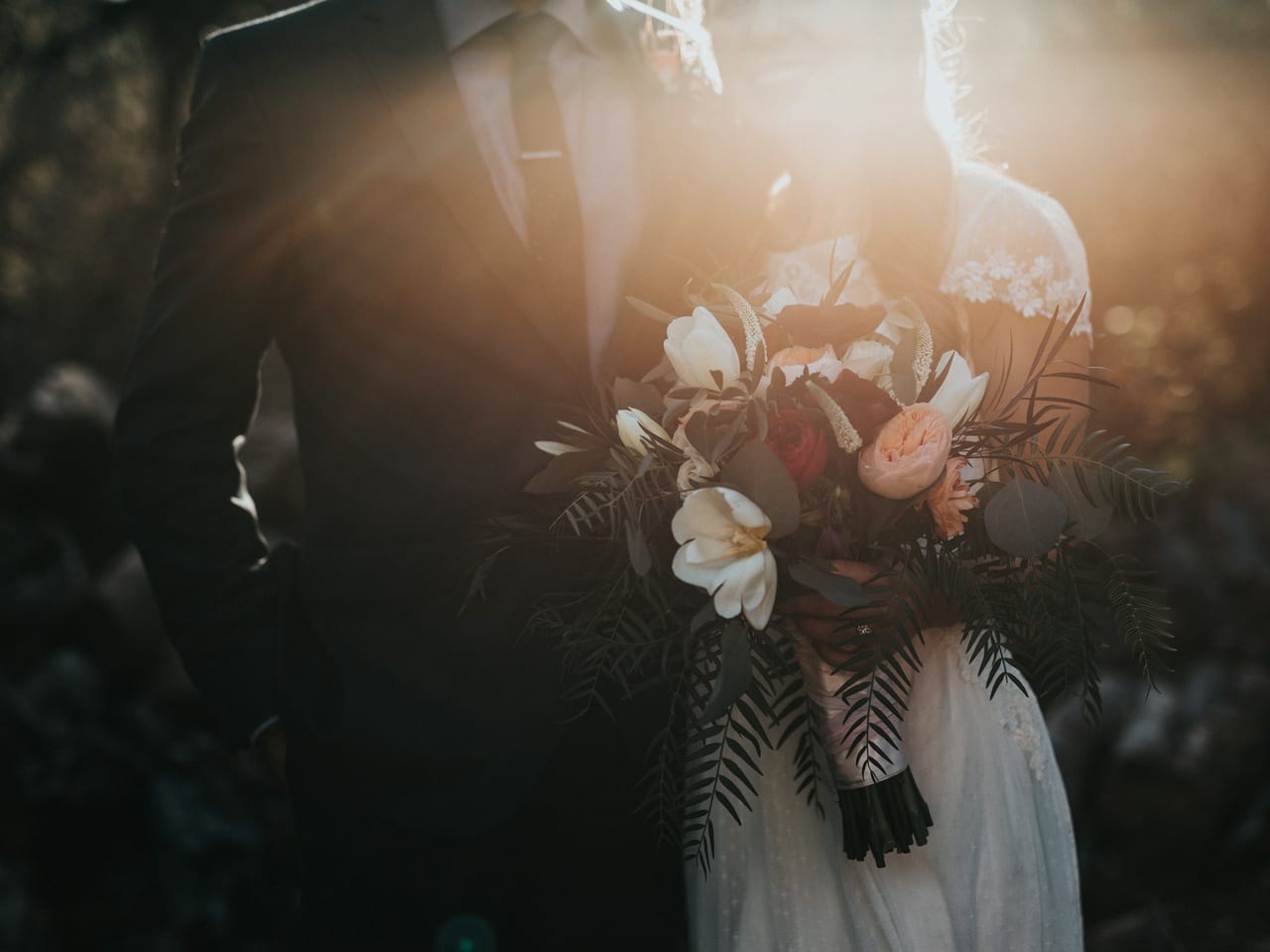
Six thousand wedding photographs are not six thousand versions of the same decision. They are dozens of smaller stories tangled together: preparations, arrivals, family combinations, a processional, vows, speeches, portraits, a dance floor, and the people who filled the spaces between.
Treat the whole take as one queue and every photograph competes with the memory of every photograph before it. Break the day into chapters and the question becomes smaller: what does this part of the wedding need?
Do not ask a wedding to survive one giant cull. Let each chapter earn its place.
Begin with obligations, not favourites
Before taste enters the room, the job has promises to keep. Write down the people, moments, details, and client requests that cannot disappear. Include the quiet obligations as well as the obvious ones: the grandparent who travelled, the handmade place cards, the friend giving the only unscheduled speech.
This is not a shot list you obey blindly. It is a coverage ledger. It prevents a visually beautiful cull from becoming a professionally incomplete one.
Cull one chapter at a time
Separate the day into meaningful sections before making close decisions. The boundaries can follow locations, events, lighting changes, or the natural chapters of the final gallery. A second shooter should be time-synchronised with the primary cameras so both views of a moment can be judged together when the story needs them together.
Within each chapter, cull in. Promote the frames that carry emotion, information, atmosphere, or necessary coverage. A photograph does not need to compete with the best portrait of the day. It needs to justify its place in this part of the day.
Unique moments get a safety bias
The first kiss, a reaction during the vows, or a spontaneous embrace may exist in one imperfect frame. Do not apply portrait-session standards to an unrepeatable moment. If the photograph is technically usable and emotionally irreplaceable, keep it in contention.
Repeated moments get a comparison bias
Portraits, details, and dance-floor bursts give you choices. Group the repetitions and compare them directly. Keep the frame with the strongest expression, relationship, composition, and usable focus—not every frame that escaped disaster.
Family formals are a separate problem
A family formal succeeds as a group. Start with the candidates where the arrangement and key subjects work, then compare every important face across those finalists. Check the edges of the group deliberately; that is where a blink, distraction, or blocked face survives when your attention stays in the centre.
If no frame is perfect, choose the strongest base photograph and mark any possible donor frame for retouching. Do not begin compositing during the cull. Selection decides which photograph deserves the work; retouching is the work.
Ordinary photographs can still be important
Not every delivered wedding photograph must stand alone in a portfolio. A modest picture of an aunt laughing may be the only good record of her presence. A wide room frame may carry more memory than aesthetic surprise. Judge these photographs by the client experience they preserve, not by whether strangers would applaud them.
Shape the gallery after the chapters work
Only after each section is coherent should you view the wedding as a whole. Look for lopsided coverage, visual repetition, and changes in pace. Five excellent photographs of the same table setting still occupy five places in the client’s attention. One may do the job better.
- Can the couple recognise the day from beginning to end?
- Are the people who mattered represented with dignity?
- Does each chapter contain variety rather than minor variations?
- Do wide scenes, relationships, details, and transitions give the gallery room to breathe?
- Would removing a photograph make the story poorer—or merely shorter?
Choose the number last
A target range can protect the business from accidental overdelivery, but it should not dictate which moments exist. Finish the story first. Then ask whether the gallery feels repetitive, thin, or complete. The right number is a consequence of the promise, the day, and the strength of the work—not a percentage of shutter presses.
A wedding gallery should feel generous in memory, not heavy in files.
Cullibrate supports that change of scale: group repeated moments, use Survey for the close calls, inspect people in Face survey, then return to Grid to judge the shape of the day.